


We’re building towards a circular future for fashion - one that puts people and planet at the center.
By designing products with recycled and regenerative materials, rethinking packaging and retail experiences, and investing in circular business models, we’re working to reduce our reliance on virgin resources and maximize the value of what already exists.
To learn more about our environmentally preferred materials and progress, you can read about them in our parent company, PVH Corp.’s Corporate Responsibility Report here.

When Is A Material Considered Environmentally Preferred?
We prioritize the use of materials with lower environmental impact than conventional materials, including incorporating more recycled content, to reduce the demands of water and energy consumption.
PVH Corp. uses Textile Exchange’s Fiber & Materials Matrix methodology and other third party verified data to inform our global framework.

How Do We Ensure Our Claims Are Accurate?
Tommy Hilfiger requires all claims made about environmentally preferred materials to be based on robust third-party certifications and chain of custody documentation.
In the fashion industry, Textile Exchange certification standards provide a credible way to authenticate sustainability claims from raw materials to final product. These standards promote preferred raw material sourcing, ethical manufacturing practices, and supply chain transparency.
Glossary
The Global Recycled Standard (GRS) and the Recycled Claims Standard (RCS) verify recycled content and track it from the source to the final product, while the Organic Content Standard (OCS) verifies the percentage of organically grown material and tracks it from source to final product.
The Responsible Down Standard (RDS) requires animal welfare practices to be in place at duck and goose farms in the down and feather supply chain. And, products certified to the Responsible Wool Standard (RWS), and Responsible Alpaca Standard (RAS) contain wool or alpaca fiber from farms independently certified to animal welfare and land management requirements.
Adhering to these standards demonstrates PVH’s commitment to reducing environmental impact and ensuring social responsibility.
In EMEA, Tommy Hilfiger (Tommy Hilfiger Europe B.V) has obtained Brand Certification under the Textile Exchange standards for the fourth consecutive year. To achieve brand certification, Tommy Hilfiger B.V is audited annually by an independent certification body. The audit looks at whether the environmentally preferred materials in Tommy Hilfiger products can be traced through the supply chain, and that any documentation related to the standards is properly collected and managed.
OCS, GRS, RCS, RWS, RAS and RDS by Control Union under license number CB-CUC- 101748 Textile Exchange-ID (TE-ID): TE-00004618
For materials not covered by Textile Exchange standards, we make sure they meet recognized industry standards and guidelines through certification or verification, supported by traceability systems to enable transparency.
The Responsible Down Standard (RDS) requires animal welfare practices to be in place at duck and goose farms in the down and feather supply chain. And, products certified to the Responsible Wool Standard (RWS), and Responsible Alpaca Standard (RAS) contain wool or alpaca fiber from farms independently certified to animal welfare and land management requirements.
Adhering to these standards demonstrates PVH’s commitment to reducing environmental impact and ensuring social responsibility.
In EMEA, Tommy Hilfiger (Tommy Hilfiger Europe B.V) has obtained Brand Certification under the Textile Exchange standards for the fourth consecutive year. To achieve brand certification, Tommy Hilfiger B.V is audited annually by an independent certification body. The audit looks at whether the environmentally preferred materials in Tommy Hilfiger products can be traced through the supply chain, and that any documentation related to the standards is properly collected and managed.
OCS, GRS, RCS, RWS, RAS and RDS by Control Union under license number CB-CUC- 101748 Textile Exchange-ID (TE-ID): TE-00004618
For materials not covered by Textile Exchange standards, we make sure they meet recognized industry standards and guidelines through certification or verification, supported by traceability systems to enable transparency.
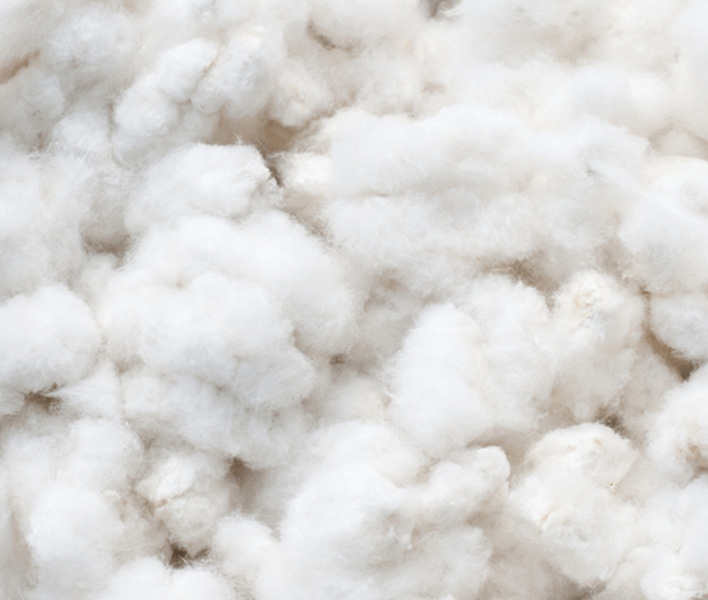
Cotton is an extremely versatile fiber and material, and one of the most frequently used in our industry.
Recycled cotton is a preferred form of cotton made from pre- or post-consumer waste such as leftover cutting scraps from manufacturing facilities or materials that have been generated by households or commercial and industrial facilities. Mechanically recycled cotton involves shredding the material to create a secondary raw material, preserving its chemical structure. This process ensures that valuable materials are repurposed rather than discarded, reducing textile waste by avoiding new cotton production.
Regenerative cotton farming shifts from resource extraction to restoring soil health and agricultural ecosystems, ultimately benefiting nature. "Regenerative agriculture" extends beyond cotton; it promotes organic carbon restoration through diverse practices tailored to regional conditions, such as climate, crops, and soil types. Techniques like reduced tilling, cover cropping and crop rotation enhance soil fertility and biodiversity.
Organic cotton is grown without chemical pesticides, chemical fertilizers, or genetically modified seeds promoting biodiversity, healthy ecosystems and improved soil quality.
Transitional cotton is grown on farms which are in the process of shifting from conventional to organic methods; a transition that takes about three years until the land meets certified organic standards. During this time, organic farming practices are used, and farmers work to rebuild soil health and restore a balanced ecosystem after years of synthetic fertilizer and pesticide use.
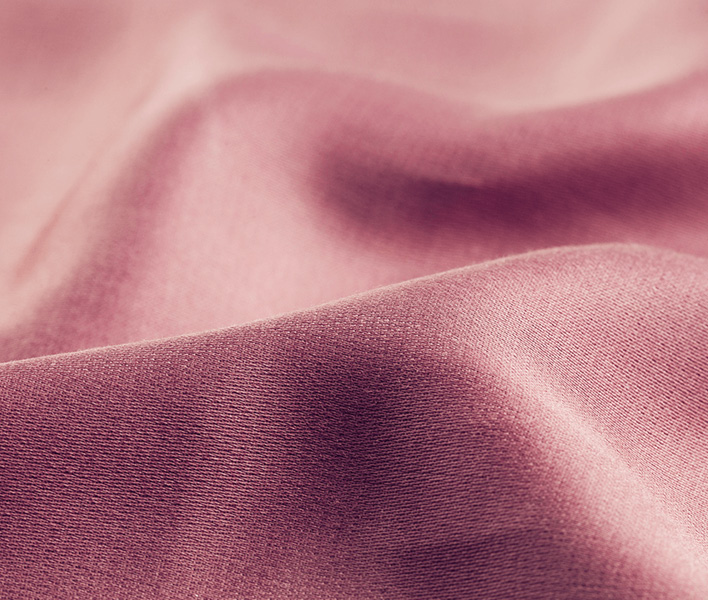
Man-made cellulosic fibers (MMCFs) refer to fibers that have been made from cellulose derived from dissolved wood or bamboo pulp. The most common fibers are viscose, lyocell and modal.
PVH’s Deforestation Policy along with our partnership with Canopy Style ensures that TOMMY HILFIGER products are not sourced from ancient or endangered forests.
PVH’s Deforestation Policy along with our partnership with Canopy Style ensures that TOMMY HILFIGER products are not sourced from ancient or endangered forests.
TENCEL™ lyocell fibers by Lenzing are sourced from responsibly managed forests and produced in a closed loop process.
TENCEL™ is a trademark of Lenzing AG.
TENCEL™ is a trademark of Lenzing AG.
TENCEL™ modal fibers by Lenzing are sourced from responsibly managed forests.
TENCEL™ is a trademark of Lenzing AG.
TENCEL™ is a trademark of Lenzing AG.
LENZING™ ECOVERO™ viscose fibers by Lenzing are sourced from responsibly managed forests.
ECOVERO™ and LENZING™ are trademarks of Lenzing AG
ECOVERO™ and LENZING™ are trademarks of Lenzing AG
Livaeco™ fibers by Birla Cellulose are sourced from responsibly managed forests. Livaeco™ applies a closed loop manufacturing process and uses a molecular tracer to ensure that at any stage source verification can be completed.
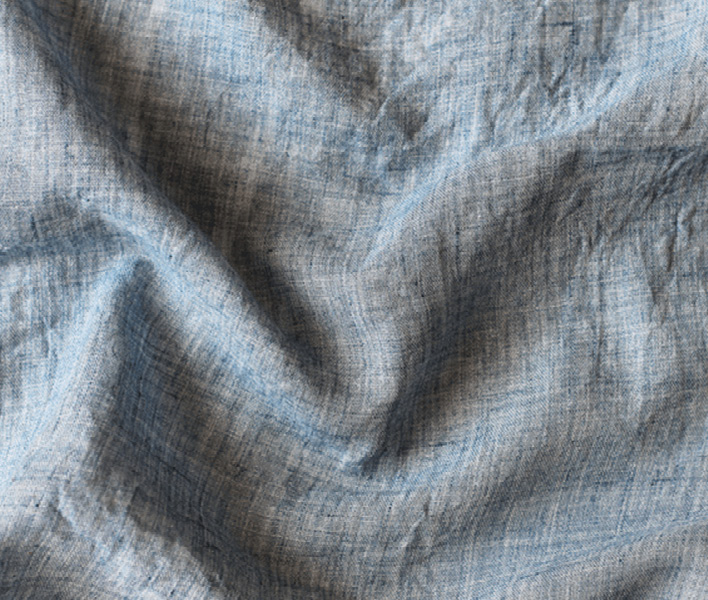
Linen is considered a strong and durable fiber made from the flax plant. It is fast growing and naturally pest resistant. Its cultivation requires less water and fewer chemicals than many other crops, making it a preferred choice.
Recycled linen is a preferred form of linen made from pre-consumer waste. Mechanically recycled linen involves shredding the material to create a secondary raw material. This process has the added benefit of shortening the length of the staple fiber, creating a softer hand feel. Recycling helps ensure valuable materials are repurposed rather than discarded, reducing textile waste by avoiding new linen production.
Organic linen is grown without chemical pesticides, chemical fertilizers, or genetically modified seeds. These methods aim to support biodiversity, healthy ecosystems, and improve soil quality.
Wool is a natural and breathable fiber derived from the coat of animals, sheep and goats.
You can read more about our standards for animals in PVH’s Animal Welfare Policy.
You can read more about our standards for animals in PVH’s Animal Welfare Policy.
Recycled wool is a preferred form of wool made from pre- or post-consumer waste such as cutting scraps and materials that have been generated by households or commercial and industrial facilities. These materials are sorted, cleaned, shredded, and blended to create recycled wool fibers, which are then spun into yarn. This process helps ensure valuable materials are repurposed rather than discarded.
Recycled cashmere is a preferred form of wool made from pre-consumer waste generated by commercial and industrial facilities. These materials are sorted, cleaned, shredded, and blended to create recycled cashmere fibers, which are then spun into yarn. This process helps ensure valuable materials are repurposed rather than discarded.
Responsible wool is verified at every stage of production, starting at the farm, to ensure proper land management practices including those which protect soil health, biodiversity, and native species. Furthermore, responsible wool comes from sheep that have been treated in line with the five freedoms of animal welfare, including the mental and physical well-being of the animal. Responsible Wool Standard outlines that only farms with ceased mulesing status are accepted under the standard.
Responsible alpaca wool is verified at every stage of production, starting at the farm, to ensure proper land management practices including those which protect soil health, biodiversity, and native species. Furthermore, responsible wool comes from alpacas that have been treated in line with the five freedoms of animal welfare, including the mental and physical well-being of the animal.
Leather is made from animal hide or skins, and is valued for its strength, longevity, and elasticity. To make leather, the hide, or animal skin, undergoes stages of chemical processes to clean, soften, tan, dye, stretch, dry, and finish the hide.
Tommy Hilfiger only uses leather as a by-product of the meat industry. You can read more about our approach to animal welfare in the PVH Animal Welfare Policy.
Tommy Hilfiger only uses leather as a by-product of the meat industry. You can read more about our approach to animal welfare in the PVH Animal Welfare Policy.
Leather Working Group provides environmental stewardship standards against which leather tanneries are audited and certified. This is to assess how leather is manufactured and what inputs are used during the processing. Leather Working Group certified tanneries have demonstrated higher performance in their leather manufacturing facilities.
Tommy Hilfiger is a member of Leather Working Group and only sources its leather from certified facilities audited against Leather Working Group standards.
Tommy Hilfiger is a member of Leather Working Group and only sources its leather from certified facilities audited against Leather Working Group standards.
Bonded recycled leather fibers are materials created from recycling traditional leather, utilizing existing leather scraps to form new products. This helps ensure valuable materials are repurposed rather than discarded. Unlike leather and recycled leather, recycled leather fiber is structurally distinct. It is produced by attaching leather scraps to a backing, resulting in a new material with a different structure from that of traditional leather or recycled leather.
Chrome-free tanned leather is leather that has been tanned without the use of chromium. At a tannery, hides undergo a tanning process to be transformed into leather. Historically, natural resources, such as the bark of certain trees, were used for this purpose. In the 1800s, chromium tanning was developed, which allowed for a much faster tanning process using leather tanning agents that include chrome in their formulations. Although chrome-free tanned leather involves a slower process, it eliminates the chemical risks associated with using chrome.
Responsible wool is verified at every stage of production, starting at the farm, to ensure proper land management practices including those which protect soil health, biodiversity, and native species. Furthermore, responsible wool comes from sheep that have been treated in line with the five freedoms of animal welfare, including the mental and physical well-being of the animal. Responsible Wool Standard outlines that only farms with ceased mulesing status are accepted under the standard.
Down is a natural, soft, and fluffy feather that comes from the fine undercoat, or inner layer of feathers of geese and ducks. Down is considered an effective natural insulator with temperature regulation and is often used as filling for jackets because it is warm, lightweight, compressible, durable, and breathable.
Tommy Hilfiger has banned the use of conventional down and feathers. You can read more about our standards for animals in PVH’s Animal Welfare Policy.
Tommy Hilfiger has banned the use of conventional down and feathers. You can read more about our standards for animals in PVH’s Animal Welfare Policy.
Recycled down and feathers are preferred materials, sourced from both pre-consumer and post-consumer products such as production leftovers from manufacturing facilities or by households, commercial and industrial facilities.
Responsibly sourced down is sourced from farms certified for responsible animal and land management practices. It is verified at all stages of production, beginning with the farmers. This down comes from birds that have been treated responsibly, ensuring the protection of the five freedoms of animal welfare, which encompass both the mental and physical well-being of the animals. Additionally, responsibly sourced down originates from farms that implement proper land management practices, which include practices to support protecting soil health, biodiversity, and native species.
Innovative materials are often small-scale, disruptive technologies that require support through investment and real-world trials.
CIRCULOSE® is a pulp made from textile waste such as leftover cutting scraps from manufacturing facilities and materials that have been generated by households or commercial and industrial facilities. This pulp is blended with responsibly sourced cellulose fibers to create a yarn that can be used as an alternative to cotton.
TENCEL™ lyocell fibers by Lenzing are produced with REFIBRA™ technology that transforms recycled textile waste into new fibers. This helps ensure valuable materials are repurposed rather than discarded.
TENCEL™ is a trademark of Lenzing AG
TENCEL™ is a trademark of Lenzing AG
Liva Reviva™ viscose fibers by Birla are made from responsibly sourced wood pulp blended with at least 30% pre-consumer recycled textile waste. Liva Reviva™ serves as an alternative for conventional viscose and helps ensure valuable materials are repurposed rather than discarded.
Desserto is an innovative, partially bio-based material that uses cactus leaves. The leaves are harvested, mashed, sun-dried, and ground into a fine powder that serves as the bio-resin. This is applied to a recycled backing to form Desserto, acting as an alternative to animal leather and other conventional synthetic materials.
BLOOM® Algae is an innovative preferred material made from algae biomass. This reduces reliance on petroleum-based plastics and helps restore aquatic habitats by reducing harmful algal blooms. To date, Tommy Hilfiger’s Footwear team has used enough BLOOM materials, and thus algae, to clean over more than 65 million liters of water as of end 2024.
TENCEL™ lyocell fibers by Lenzing are produced with REFIBRA™ technology that transforms recycled textile waste into new fibers. This helps ensure valuable materials are repurposed rather than discarded.
TENCEL™ is a trademark of Lenzing AG
TENCEL™ is a trademark of Lenzing AG
InResST™ fibers are made from discarded fishing nets collected from coastal villages, supporting local fisherman. This helps ensure materials are repurposed rather than discarded.
The materials used in TOMMY HILFIGER eyewear are made from hard plastics and metals that provide stability, while still allowing the frames to be flexible, and lightweight.
Acetate is made of cellulose from wood pulp and oil-based plasticizers, which are then made into sheets from which eyewear frames can be cut and produced. Polyamide is made with polymerized plastics that are injected into a mold to set and create frames. Both materials are classified as hard plastics and are strong and flexible, making them ideal for eyewear.
Metals are among the most suitable materials for eyewear since they allow for ultra-thin lines, lightness, strength.
Acetate is made of cellulose from wood pulp and oil-based plasticizers, which are then made into sheets from which eyewear frames can be cut and produced. Polyamide is made with polymerized plastics that are injected into a mold to set and create frames. Both materials are classified as hard plastics and are strong and flexible, making them ideal for eyewear.
Metals are among the most suitable materials for eyewear since they allow for ultra-thin lines, lightness, strength.
Bio-Based Acetate & Recycled Acetate (renewed acetate)
Renewed acetate mixes recycled plastics and plasticizers with cellulose from wood pulp from responsibly managed forests to create renewed acetate sheets.
Renewed acetate mixes recycled plastics and plasticizers with cellulose from wood pulp from responsibly managed forests to create renewed acetate sheets.
Recycled stainless steel has the same properties and performance as standard stainless steel but it includes recycled content, which helps ensure valuable materials are repurposed rather than discarded.
Recycled Copper Alloy has the same properties and performance as standard Copper Alloy but it includes recycled content, which helps ensure valuable materials are repurposed rather than discarded.
Bio-based Polyamide is a type of nylon derived from castor oil monomers. These monomers are treated through a process called polymerization to create nylon pellets that are injected into molds to create hard, flexible nylon that is light and strong.
Bio-based rubber is a preferred thermoplastic Elastomer composed of bio-based content derived from castor oil.
Polymethyl methacrylate (PMMA) is a preferred material made from recycled plastic, guaranteeing the same transparency and functional features of virgin PMMA. The material serves as an alternative for conventional demo lenses and helps ensure valuable materials are repurposed rather than discarded.
Tritan™ Renew is a copolyester by Eastman which transforms single-use plastic waste into materials through a molecular recycling technology. This material is made with recycled content, which helps ensure valuable materials are repurposed rather than discarded.